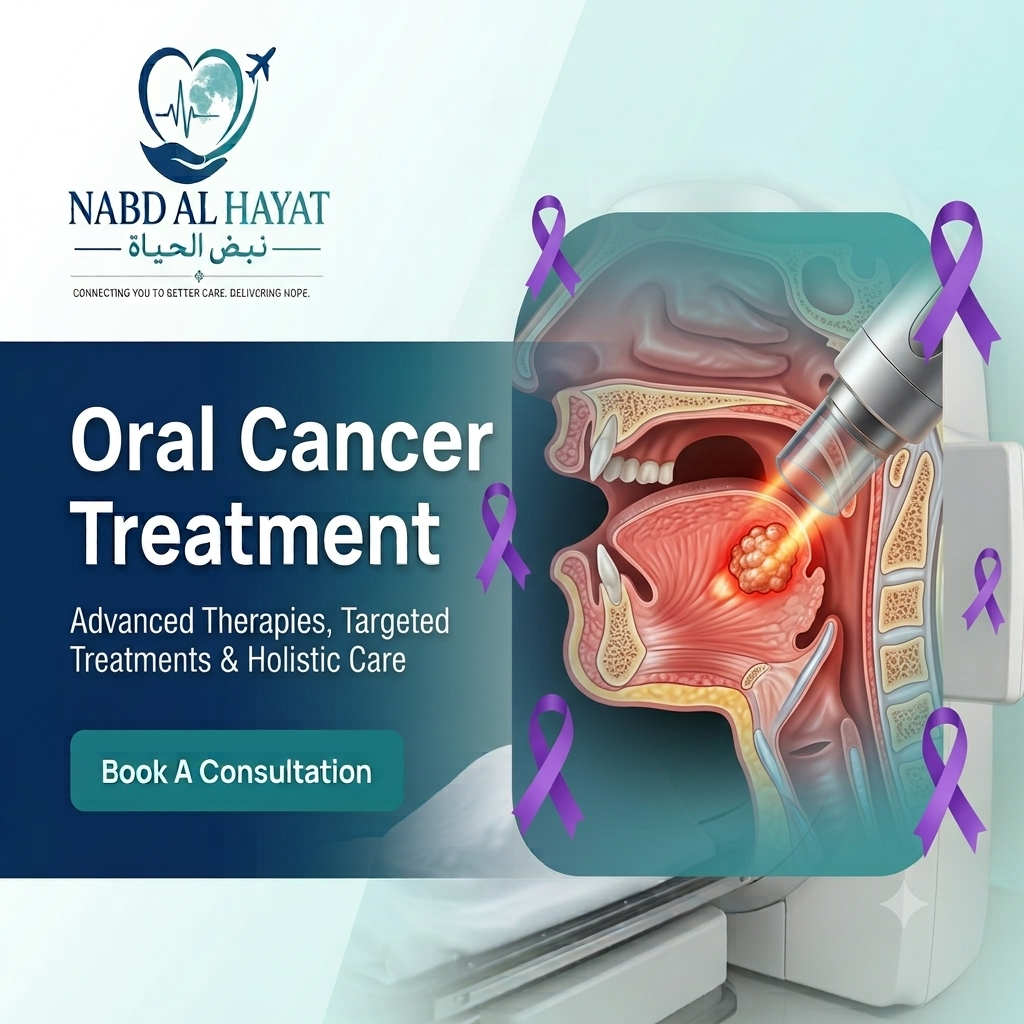
Oral cancer starts in the mouth. It can be on the lips, the tongue, the gums, inner cheeks, or even the floor and roof of the mouth. Cells there begin growing in a way they shouldn’t, and honestly, most people don’t think much of it in the beginning. A sore that just won’t go away. A weird white or red patch. Sometimes a small lump that feels like nothing. That’s usually how it starts. In India this is a much bigger issue than people realise, mostly because of tobacco chewing, smoking, and years of alcohol use adding up. But here’s the part that matters: oral cancer treatment works, and it works well, if the disease is caught in its early stages. What the treatment actually looks like depends on how far things have progressed. It could be surgery to remove the tumour. It could involve radiation or chemotherapy too, sometimes all three together. After that, reconstructive work often follows so the patient can go back to eating, speaking, and looking like themselves again.
Who Actually Needs This Treatment?
Not every mouth ulcer means someone needs oral cancer treatment. Doctors usually look for specific signs before going down that road.
- Someone who has chewed tobacco, gutkha, or paan masala for years and now has a sore that hasn’t healed in weeks — or notices strange patches inside the mouth
- A confirmed tumour after biopsy, whether it’s on the tongue, gums, or inner cheek lining
- Ongoing pain while eating, trouble swallowing food, bleeding that has no clear reason, or a lump in the neck along with mouth symptoms
- Patients who already went through treatment once but the cancer has come back or spread to lymph nodes nearby
Usually a dentist or an ENT doctor catches the early signs first and sends the patient to an oncologist once a biopsy confirms it’s cancer.
What Does It Cost in India?
Money is often the first worry once a family hears the word cancer. So here’s a rough idea of what to expect.
- Oral cancer treatment in India usually costs somewhere between ₹2,00,000 and ₹10,00,000
- The final number depends heavily on the stage of cancer and what kind of treatment is needed
- Government hospitals are usually much cheaper compared to private ones
- Places using newer tech like robotic surgery or IMRT radiation tend to charge more
- Then there are the extra costs nobody talks about upfront — reconstructive surgery if it’s needed, the hospital stay itself, scans, and rehab afterward
Even with all that, oral cancer treatment in India is still far cheaper than what you’d pay in the US or UK, and the quality of care doesn’t really suffer for it.
Doctors Known for Oral Cancer Treatment
A few names keep showing up when people talk about head and neck oncology in India.
Dr. Pankaj Chaturvedi is a senior surgical oncologist at Tata Memorial Hospital in Mumbai. He’s spent years focused specifically on oral and head-neck cancers. Dr. Rajendra Badwe has long been associated with Tata Memorial Centre and is widely respected for his overall work in cancer care. Then there’s Dr. Anil Heroor, who trained at Tata Memorial and now practices in Mumbai, known mainly for his surgical oncology skills.
Still, picking the right doctor isn’t just about a name on a list. The stage of the tumour, where exactly it is, and the patient’s overall health all matter. It’s worth letting the oncology team weigh in before deciding anything.
Hospitals Worth Considering
A handful of hospitals stand out when it comes to oral cancer treatment in India.
Tata Memorial Hospital in Mumbai probably comes up first in most conversations. It has a dedicated head and neck oncology department and handles a huge number of cases every single year. AIIMS in New Delhi is known for taking on the more complicated diagnostic and surgical cases. Apollo Hospitals in Chennai has built a solid name around surgical precision and proper structured recovery support after treatment. And then there’s Medanta, The Medicity in Gurugram, which takes a multidisciplinary approach and uses fairly modern radiation equipment.
Life After the Procedure
No two recoveries look exactly the same. It really comes down to what kind of treatment someone went through. Surgical patients might spend several days in the hospital, then need a few more weeks before they can eat normally again. People going through radiation or chemo often deal with dry mouth, trouble swallowing, or just feeling wiped out most of the time. It’s uncomfortable, sure, but these things usually fade with time. A lot of patients also find speech and swallowing therapy genuinely helpful, along with some guidance on diet, to get back to normal function faster. None of this replaces regular follow-up visits though. Those matter a lot for catching any early signs if the cancer tries to come back.
Why Patients Turn to Nabdalhayat
Going through oral cancer treatment is stressful enough on its own. Figuring out which doctor to trust or which hospital to book shouldn’t add to that stress, and that’s really where Nabdalhayat tries to help.
- Connects patients with specialists and hospitals that actually fit their case
- Gives honest cost estimates instead of vague numbers that change later
- Helps sort out travel and stay for patients coming from other cities or countries
- Stays involved before, during, and after treatment, not just at the start
At the end of the day, the idea is simple. Take the logistics off a patient’s plate so they can put their energy into actually getting better.